Your Thirst Signal Is Smarter Than Your Water Bottle App
Somewhere along the way, thirst became a symptom rather than a signal. The modern wellness playbook treats it like a warning light on your dashboard — something that only shows up after damage has already been done. Drink before you're thirsty, the advice goes. Your body can't keep up. You're probably already dehydrated.
There's just one problem with that narrative: it's not supported by how thirst actually works.
What Your Brain Is Actually Doing When You Feel Thirsty
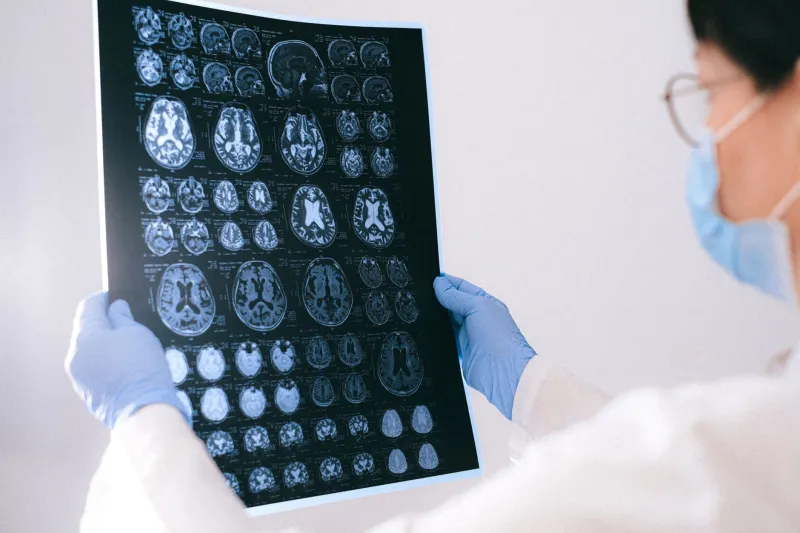
Thirst is regulated by a region of the brain called the hypothalamus, which monitors blood osmolality — essentially the concentration of dissolved particles in your blood. When that concentration ticks upward even slightly, the hypothalamus fires a thirst signal. This system responds to changes of less than two percent in blood concentration. It is, by any reasonable measure, extraordinarily sensitive.
The kidneys are doing similar work on the other end, adjusting how much water they retain or release based on a hormone called vasopressin. When you're running low on fluids, vasopressin tells the kidneys to hold onto water. When you've had plenty, they let it go. The whole system runs continuously, without you thinking about it, and it has been doing so for the entire history of human existence.
So where did the idea come from that this system is too slow to trust?
Sports Marketing Quietly Rewrote the Rules
The "drink before you're thirsty" mantra became mainstream partly through the sports drink industry. Gatorade, which was developed in the 1960s to help University of Florida athletes replace electrolytes, eventually grew into a multi-billion-dollar product category. Along with it came a marketing message: by the time you feel thirsty, you're already behind.
That claim was amplified in the 1990s and early 2000s when athletic guidelines — many funded or influenced by beverage companies — began recommending aggressive pre-hydration schedules. Runners were told to drink at every water station regardless of thirst. The message filtered out of sports and into everyday life, where office workers started carrying 40-ounce tumblers and tracking ounces consumed before noon.
The wellness industry latched on. Hydration became a virtue. Thirst became a failure.
The Problem With Too Much of a Good Thing
Here's where things get medically interesting. Drinking water well beyond what your body signals for isn't just unnecessary — in some cases, it's genuinely dangerous.
The condition is called hyponatremia, and it happens when excess water intake dilutes the sodium concentration in your blood to a critically low level. Sodium is essential for nerve and muscle function, including the heart. When levels drop too fast, the consequences can range from nausea and confusion to seizures and, in rare but documented cases, death.
Hyponatremia gained serious medical attention after several marathon runners died from it in the early 2000s — not from dehydration, but from drinking too much plain water during long races. A landmark 2005 study published in the New England Journal of Medicine found that 13 percent of Boston Marathon finishers showed some degree of hyponatremia. The runners who drank the most water were the most affected.
These are extreme cases, and the average person drinking an extra glass of water at their desk isn't at risk of a medical emergency. But the point stands: the body has real limits, and the cultural push toward maximum hydration ignores them entirely.
So How Much Water Do You Actually Need?
The honest answer is: it depends, and your thirst is a reasonable guide.
The National Academies of Sciences does publish general recommendations — about 3.7 liters of total daily water for men and 2.7 liters for women — but those numbers include water from food, coffee, tea, and other beverages. A diet with fruits, vegetables, soups, and cooked grains contributes significant fluid intake that never touches a water bottle.
Physical activity, heat, altitude, and illness all shift those numbers. But in most everyday conditions for most healthy adults, thirst is a functional and reliable guide. Prominent researchers, including Dr. Heinz Valtin of Dartmouth, reviewed the scientific literature and found no evidence to support the popular "eight glasses a day" rule, concluding that for healthy adults in temperate climates, drinking when thirsty is sufficient.
Why the Myth Feels So True
Part of what makes overhydration advice so sticky is that it's genuinely hard to disprove through personal experience. If you drink more water and feel better, you'll credit the water. If you drink less and feel fine, you won't think about it at all. Confirmation works in one direction.
There's also something psychologically appealing about optimization. The idea that your body's default settings are inadequate — that you need to consciously override your instincts with measured, scheduled behavior — fits neatly into a productivity-obsessed culture. Hydration apps, smart water bottles with reminder notifications, and influencer content showing branded jugs all reinforce the idea that more is always better.
Wellness culture also benefits commercially from the anxiety. When thirst is reframed as a lag indicator rather than a reliable signal, there's always a product ready to fill the gap — electrolyte packets, hydration multipliers, alkaline water with a premium price tag.
The Real Story
Your thirst mechanism isn't broken. It evolved alongside you, and it's doing exactly what it's supposed to do. That doesn't mean you should ignore it when it fires, or skip water on a hot day because you're not feeling it yet. Context matters — intense exercise, extreme heat, and certain medical conditions all warrant more conscious attention to fluid intake.
But for most Americans going through a normal day, the body's built-in hydration system is neither outdated nor unreliable. It's a sophisticated, real-time feedback loop that predates every wellness trend by several hundred thousand years.
Drink when you're thirsty. Stop when you're not. Your hypothalamus has been handling this longer than Gatorade has existed.