Chasing a Higher SPF Number? The Math Behind Sunscreen Is Working Against You
Walk down any pharmacy aisle in July and you'll see them lined up like a competition: SPF 30, SPF 50, SPF 75, SPF 100+. The instinct is completely natural. If SPF 50 is good, SPF 100 must be twice as good. It's right there in the number.
Except it isn't. Not even close.
The way SPF is calculated is one of those things that sounds simple until you actually look at it — and once you do, the entire logic of chasing higher numbers starts to unravel.
What SPF Is Actually Measuring
SPF stands for Sun Protection Factor, and it measures how much UVB radiation — the kind that causes sunburn — a product filters out under controlled lab conditions. The number itself represents a ratio, not a percentage of protection added.
Here's where it gets counterintuitive: SPF 30 blocks about 97 percent of UVB rays. SPF 50 blocks roughly 98 percent. SPF 100 blocks around 99 percent. That's the full spread — from 30 to 100 — covering a single percentage point of additional protection.
So the jump from SPF 30 to SPF 50 gets you roughly one extra percent of UVB filtering. The leap from SPF 50 to SPF 100 gets you another percent. Meanwhile, the price difference between those products can be significant, and the psychological difference in how protected people feel is enormous.
This is the core problem. The numbers suggest a linear relationship — more is more — but the actual protection curve flattens out dramatically once you get past SPF 30.
Why the Numbers Feel More Dramatic Than They Are
The SPF rating system was designed to communicate something useful, but it does a genuinely poor job of conveying what the real-world difference between products looks like.
Consider it from the other direction: instead of thinking about what a sunscreen blocks, think about what it lets through. SPF 30 allows about 3.3 percent of UVB rays to reach your skin. SPF 50 allows 2 percent. SPF 100 allows 1 percent. When you frame it that way, the gap between SPF 50 and SPF 100 is halving the amount of UVB that gets through — which sounds significant until you realize both numbers are already very small.
For most people going about a normal summer day, the difference between SPF 50 and SPF 100 is practically irrelevant. The variables that actually determine how much sun damage you receive — how much product you applied, whether you reapplied it, whether you were in water or sweating — swamp that one-percentage-point gap entirely.
The Application Problem Nobody Talks About
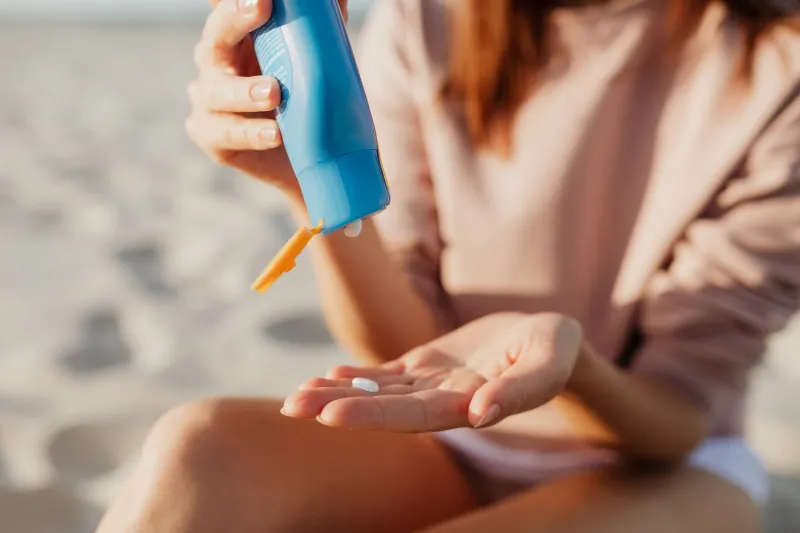
Here's the part that dermatologists have been trying to communicate for years: the SPF number on the label is measured under lab conditions using a specific, generous amount of product. Most people apply far less than that.
Studies suggest the average person applies somewhere between 25 and 50 percent of the recommended amount. When you do that, you're not getting SPF 100 — you're getting a fraction of it. Which means someone who carefully applies a full, even coat of SPF 30 is almost certainly getting more actual protection than someone who rubs a thin layer of SPF 100 over their face and calls it done.
The higher number creates a false sense of security that can actually work against you. Research has found that people who use high-SPF products tend to stay in the sun longer and reapply less often, precisely because the number makes them feel invincible. That behavioral shift can offset whatever marginal gain the higher SPF was supposed to provide.
The Part the Label Doesn't Highlight
There's another layer to this that the SPF number doesn't capture at all: UVA radiation.
SPF only measures UVB protection — the rays responsible for sunburn. UVA rays penetrate more deeply into skin, contribute to premature aging, and are linked to certain skin cancers. They're present year-round, pass through clouds and glass, and don't cause the kind of immediate burn that signals danger.
A sunscreen with SPF 100 and no UVA protection is doing a genuinely incomplete job, even if the number looks impressive. The FDA requires broad-spectrum labeling to indicate UVA coverage, but many consumers don't know to look for it — and the big SPF number tends to dominate their attention.
The phrase to look for is "broad spectrum" on the label. That's the designation that tells you the product addresses both UVB and UVA exposure. Without it, you may be preventing sunburn while leaving your skin vulnerable to a different kind of damage entirely.
Why the Industry Keeps Selling High Numbers
To be fair, cosmetics companies aren't lying about SPF ratings — the numbers are measured by standardized methods and the claims are technically accurate. But there's no question that high-SPF products command premium prices and move off shelves quickly, because consumers have been conditioned to treat the number like a direct measure of quality.
The FDA has actually proposed capping SPF claims at "50+" on labels, arguing that anything higher implies a level of protection that isn't meaningfully different and may mislead consumers. That proposal has been debated for years without a final rule being implemented, leaving the market free to keep stacking numbers.
What Actually Matters
Dermatologists tend to land in a pretty consistent place on this: SPF 30 or higher, broad spectrum, water resistant if you're swimming or sweating, and applied generously — about a shot glass worth for your full body, a nickel-sized amount for your face. Reapply every two hours, or after getting wet.
That routine, done consistently with an SPF 30 product, will protect your skin more effectively than a thin swipe of SPF 100 applied once at 10am.
The number on the bottle is a starting point, not the whole story. And the real story, as it turns out, has a lot more to do with how you use sunscreen than which number you pick off the shelf.