The Struggling Artist Myth Started With a French Novel — And It's Been Hurting Creatives Ever Since
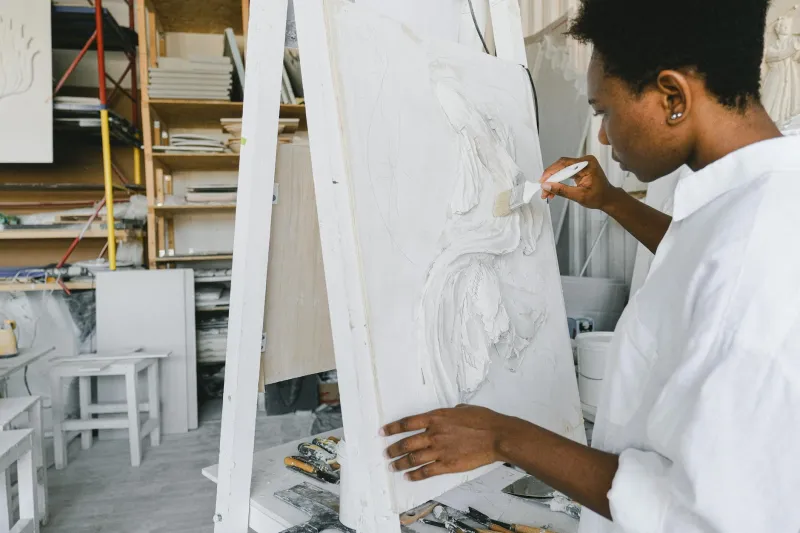
Walk into any coffee shop in Brooklyn or Austin, and you'll find someone nursing a single cup for three hours while working on their screenplay. Ask most Americans about the creative life, and they'll paint a picture of noble poverty — ramen dinners, cramped apartments, and the romantic struggle of choosing art over financial security.
But this entire narrative? It's largely fiction. And not the good kind.
The Story That Started Everything
The "starving artist" stereotype traces back to Henri Murger's 1851 novel "Scènes de la Vie de Bohème," which romanticized the lives of struggling young artists in Paris's Latin Quarter. Murger wrote about painters and writers who chose poverty over bourgeois respectability, turning their economic hardship into a badge of artistic authenticity.
 Photo: Paris's Latin Quarter, via d3iso9mq9tb10q.cloudfront.net
 Photo: Henri Murger, via img.edilportale.com
The book became wildly popular, inspiring Puccini's opera "La Bohème" and countless other cultural works that cemented the idea that true artists must suffer for their craft. What started as one author's romanticized take on his own difficult circumstances became the defining narrative of artistic identity in Western culture.
Murger himself eventually abandoned the bohemian lifestyle, noting that "the Bohemian life is only acceptable as a preparation for ordinary life or as a rest from it." But by then, the myth had taken on a life of its own.
The Reality Behind the Romance
Historical evidence paints a very different picture of artistic careers. During the Renaissance, successful artists like Michelangelo and Leonardo da Vinci were well-compensated professionals who ran workshops, managed apprentices, and accumulated significant wealth. The Dutch Golden Age produced countless painters who lived comfortable middle-class lives.
 Photo: Michelangelo, via getwallpapers.com
Even during Murger's time, many artists maintained steady incomes through teaching, commissions, or other work. The struggling bohemians he wrote about were often struggling because they rejected conventional career paths — not because artistic work inherently couldn't pay the bills.
In America, the myth gained particular traction during the Great Depression, when economic hardship affected everyone. Suddenly, the artist's traditional struggle seemed noble rather than foolish. The narrative stuck even as the economy recovered.
How the Myth Serves Everyone Except Artists
The starving artist stereotype benefits several groups — just not the artists themselves. Publishers, galleries, and entertainment companies have long used the myth to justify low payments. "You should be grateful for the exposure," they say, implying that caring about money somehow compromises artistic integrity.
The narrative also serves a broader cultural function: it makes creative work seem like a luxury rather than essential labor. If artists are supposed to suffer, then society doesn't need to value their contributions fairly.
Meanwhile, the myth actively discourages talented people from pursuing creative careers. How many potential artists chose "practical" paths because they believed creativity and financial stability were mutually exclusive?
The Modern Persistence Problem
Today's media continues to reinforce these stereotypes. Movies and TV shows love the tortured artist trope — the brilliant writer living in squalor, the painter who only finds success after death. These stories feel authentic because they match our cultural expectations, creating a feedback loop that keeps the myth alive.
Social media has added a new twist: artists now perform their struggles publicly, turning financial hardship into content. The "broke artist" becomes a personal brand, making it even harder to separate the person from the persona.
The Real Story About Creative Careers
Modern data tells a different story. According to the Bureau of Labor Statistics, many creative professionals earn middle-class incomes. The median salary for graphic designers is around $50,000 annually. Writers and authors earn a median of $67,000. These aren't starvation wages.
The most successful contemporary artists understand something Murger's bohemians didn't: treating creative work as legitimate business doesn't diminish its artistic value. Taylor Swift didn't become less of an artist when she started owning her masters. Banksy didn't lose credibility by commanding millions for his work.
Breaking the Cycle
The starving artist myth persists because it serves too many interests to die naturally. But individual artists can reject it by:
- Pricing their work fairly instead of apologizing for having bills
- Learning business skills alongside creative ones
- Building sustainable career models rather than hoping for lightning strikes
- Supporting other artists' financial success instead of judging it
The most radical thing an artist can do today isn't suffering for their craft — it's refusing to accept that suffering as necessary. The real bohemian rebellion isn't against bourgeois values; it's against the myth that convinced generations of creatives they had to choose between art and survival.
Murger's romantic poverty was never meant to be a business plan. It's time we stopped treating it like one.