Before Electric Lights, Humans Slept in Two Shifts — And Your 3am Wake-Up Call Might Be Completely Normal
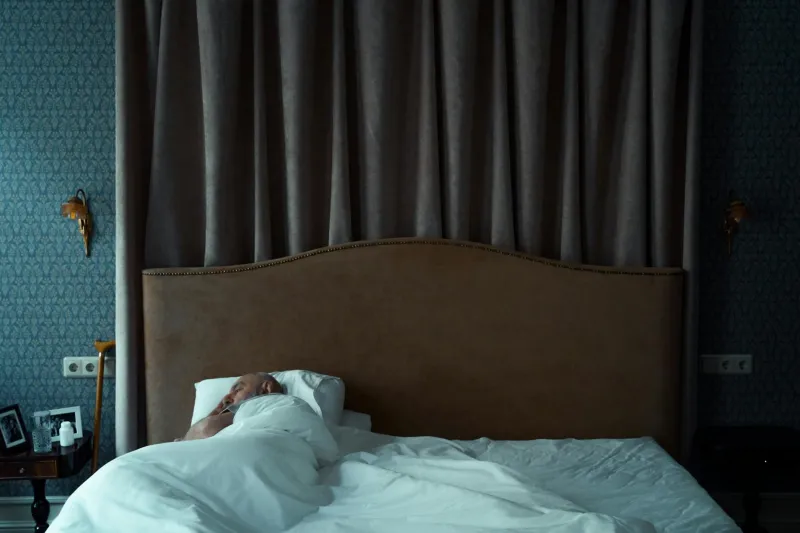
The Sleep Schedule That Ruled Human History
If you regularly wake up around 2 or 3 AM and lie there for an hour before falling back asleep, you might think you have insomnia. Your doctor might agree. But according to historical records spanning centuries, you could be experiencing the most natural human sleep pattern that ever existed.
Before the widespread adoption of artificial lighting in the late 1800s, most people didn't sleep in one continuous eight-hour block. Instead, they practiced what historians call "segmented sleep" or "biphasic sleep" — two distinct sleep periods separated by an hour or two of quiet wakefulness in the middle of the night.
This wasn't considered a sleep disorder. It was just how humans slept.
The Historical Evidence Hidden in Plain Sight
Historian Roger Ekirch spent 16 years combing through historical documents, diaries, court records, and literature from before the Industrial Revolution. What he found was remarkable: references to "first sleep" and "second sleep" appeared in sources across different cultures, time periods, and social classes.
Medieval prayer books included specific prayers for the middle-of-the-night wakeful period. Court records from the 1600s mention crimes committed during "first sleep" versus "second sleep." Charles Dickens wrote about characters naturally waking after their "first sleep" to read, think, or visit neighbors. Even the Canterbury Tales references the two-sleep pattern as completely normal.
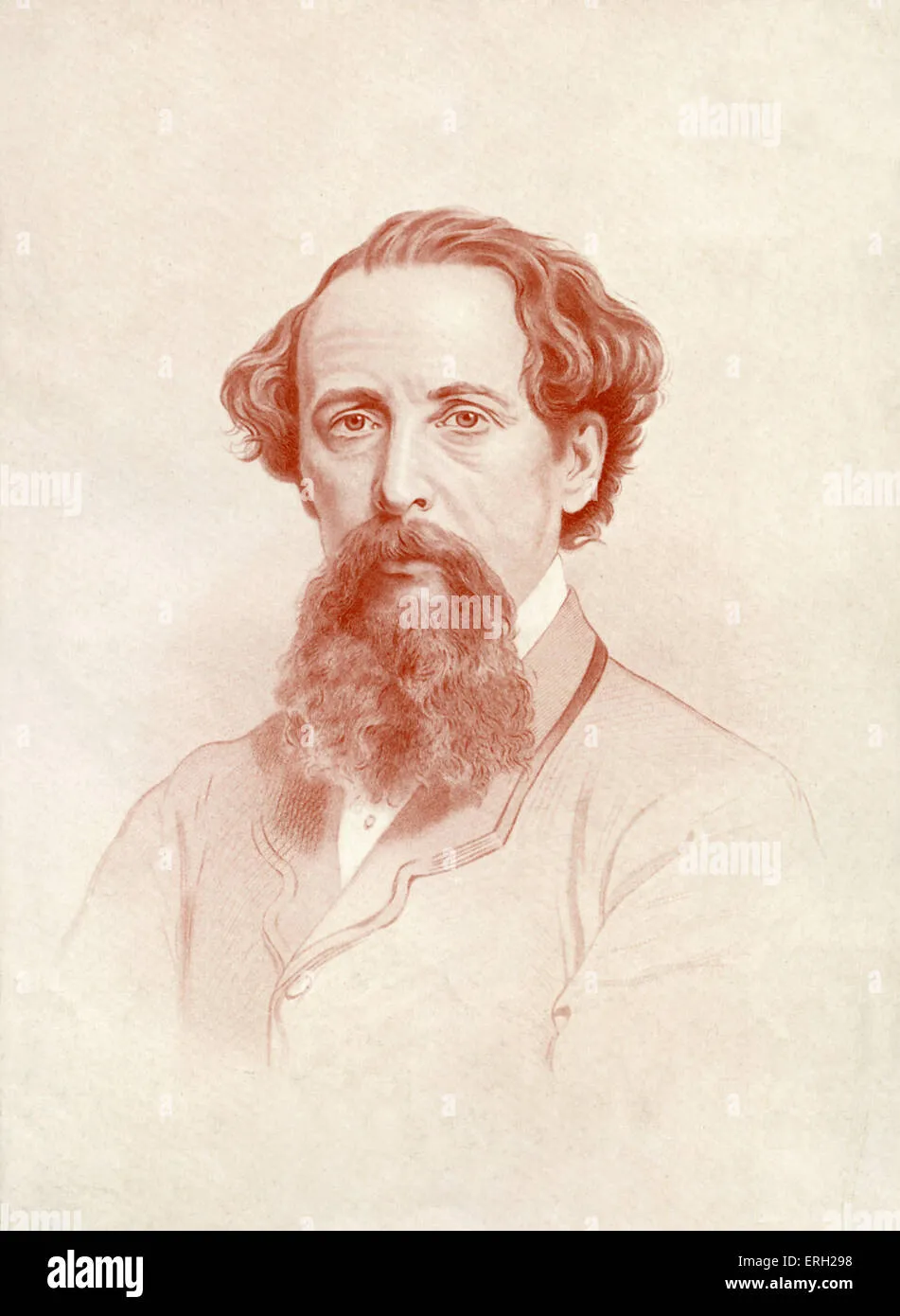 Photo: Charles Dickens, via c8.alamy.com
The language was so common that writers didn't bother explaining what "first sleep" meant — everyone knew. It would be like a modern writer having to define "lunch break" or "rush hour."
What People Did During the Night Gap
The period between first and second sleep wasn't wasted time. Historical records show people used these quiet hours for reflection, prayer, reading, conversation with spouses, or even visiting neighbors. Some of the most intimate and important conversations between married couples happened during this naturally wakeful period.
In rural communities, people would check on livestock, tend fires, or do quiet household tasks. Urban dwellers might read by candlelight, write letters, or engage in crafts. The middle-of-the-night hours were considered peaceful, contemplative time — not a sign that something was wrong with your sleep.
How Electricity Rewrote Human Sleep
The transformation happened gradually, then suddenly. Gas lighting in the early 1800s extended evening activities, but the real change came with widespread electric lighting in the 1880s and 1890s. Suddenly, people could stay up later, work longer hours, and socialize well into the night.
Industrial work schedules demanded employees show up alert and ready at specific times, regardless of their natural sleep rhythms. The new economy couldn't accommodate workers who might be naturally awake at 2 AM and sleepy at 10 PM. Society needed standardized sleep schedules to match standardized work schedules.
By the 1920s, sleep researchers and medical professionals were defining continuous eight-hour sleep as "normal" and anything else as problematic. The segmented sleep pattern that had sustained humans for millennia was suddenly reclassified as a disorder.
The Science Behind Natural Sleep Patterns
Modern sleep research has validated what historians discovered in old documents. When researchers isolated people from artificial light and clocks, allowing them to sleep according to their natural rhythms, many participants spontaneously developed segmented sleep patterns.
In one famous study, psychiatrist Thomas Wehr kept participants in darkness for 14 hours each night for several weeks. After an adjustment period, most people settled into a pattern of sleeping for about four hours, staying quietly awake for one to two hours, then sleeping for another four hours.
The brain chemistry during the middle-of-the-night wakeful period was distinctive. Participants showed elevated levels of prolactin, a hormone associated with feelings of calm and relaxation. They weren't anxious or frustrated about being awake — they felt peaceful and contemplative, just like the historical accounts described.
Why Modern Sleep Medicine Misses This
Today's sleep medicine developed around the assumption that consolidated eight-hour sleep is normal and anything else indicates a problem. Sleep studies are conducted in laboratories with artificial lighting, standardized schedules, and the expectation that patients should fall asleep quickly and stay asleep all night.
Insomnia diagnoses often focus on "sleep maintenance" — the ability to stay asleep continuously. But this definition only makes sense if continuous sleep is actually the natural human pattern. If segmented sleep was normal for most of human history, then waking up at 3 AM might not be a bug in your sleep system — it might be a feature.
What This Means for Your Sleep Today
This doesn't mean you should deliberately fragment your sleep or that insomnia isn't real. Modern life requires most people to function on schedules that work best with consolidated sleep. But if you occasionally wake up in the middle of the night and feel alert rather than anxious, you might be experiencing an ancient biological rhythm rather than a contemporary sleep disorder.
Some sleep specialists now recommend that patients who wake up naturally in the middle of the night try embracing the wakeful period instead of fighting it. Read quietly, meditate, or do gentle stretches. Don't check your phone or turn on bright lights, but don't panic about being awake either.
Reclaiming the Night
The story of segmented sleep reveals how dramatically human behavior can change in just a few generations. What we consider "natural" sleep is actually a recent adaptation to industrial society and electric lighting. Our ancestors lived by different rhythms, and their sleep patterns were shaped by seasonal changes, moonlight, and social customs rather than alarm clocks and work schedules.
Understanding this history doesn't solve modern sleep problems, but it does offer perspective. The next time you find yourself peacefully awake at 3 AM, you might be connecting with a sleep pattern that sustained humans for thousands of years — until electricity convinced us that night was supposed to be one long, uninterrupted period of unconsciousness.