Every Holiday Season, America Panics About Poinsettias — But Pet Poison Control Says the Fear Is Overblown
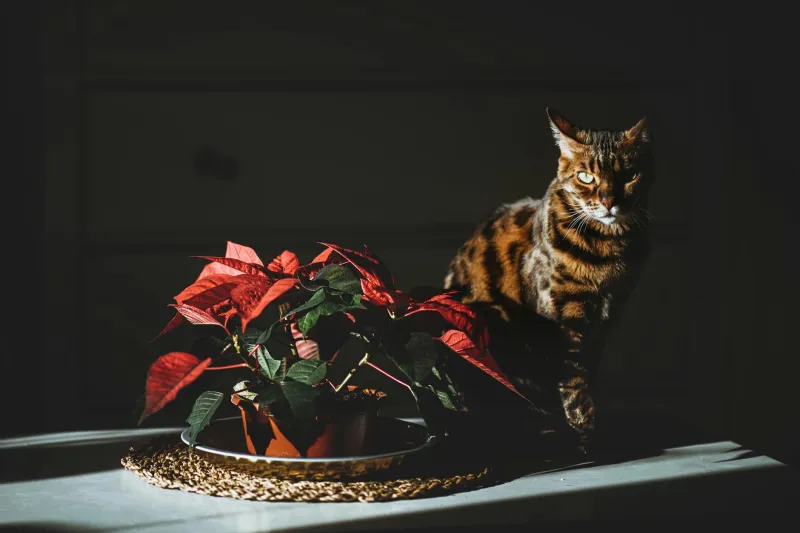
The Holiday Plant That Terrorizes Pet Parents
Every December, the warnings start circulating. Social media posts with urgent all-caps text. Neighborhood Facebook groups sharing articles about deadly holiday plants. Veterinary offices fielding panicked calls from pet owners who caught their dog nibbling on a poinsettia leaf.
The message is always the same: poinsettias are highly toxic and potentially fatal to pets and children. Keep them out of reach. Consider artificial alternatives. Better safe than sorry.
There's just one problem with this annual safety campaign: the science doesn't really support the level of panic it generates.
The Reputation That Won't Die
Poinsettias have been labeled as dangerous for so long that questioning their toxicity feels almost irresponsible. The warnings come from trusted sources—veterinarians, poison control centers, parenting websites. They're repeated so consistently that they've become accepted fact.
But when toxicologists actually study poinsettia exposure cases, the results are surprisingly mild. The American Society for the Prevention of Cruelty to Animals (ASPCA) lists poinsettias as having "mild to moderate" toxicity. The Pet Poison Helpline describes effects as "generally over-rated."
 Photo: American Society for the Prevention of Cruelty to Animals, via cdn.shortpixel.ai
Most exposure incidents result in minor stomach upset or mild skin irritation—not the emergency veterinary visits that the warnings would suggest. Yet every holiday season, the deadly reputation gets reinforced by well-meaning safety campaigns that treat poinsettias like they're hemlock.
Where the Fear Started
The poinsettia's toxic reputation appears to trace back to a single incident from 1919, when a child in Hawaii allegedly died after eating poinsettia leaves. This case became the foundation for decades of warnings about the plant's dangers.
The problem is that modern toxicologists have never been able to confirm the details of this century-old case. No autopsy was performed. No chemical analysis was done. The connection between poinsettia consumption and the child's death was assumed, not proven.
Since then, researchers have conducted actual controlled studies on poinsettia toxicity. The results consistently show that while the plant isn't completely harmless, it's nowhere near as dangerous as its reputation suggests.
What the Studies Actually Show
In the 1970s, researchers at Ohio State University conducted feeding studies with rats, giving them large quantities of poinsettia leaves and sap. The animals showed no signs of toxicity or death, even when consuming amounts far exceeding what a curious pet or child would typically ingest.
 Photo: Ohio State University, via ohmyfacts.com
Subsequent studies have found that poinsettia sap can cause mild skin irritation in some people, similar to what you might experience from other common houseplants. Ingesting leaves might cause minor stomach upset, nausea, or vomiting—but these effects are generally short-lived and resolve without treatment.
The ASPCA's poison control database, which tracks thousands of pet exposure cases annually, consistently shows that poinsettia incidents rarely result in serious symptoms. Most cases involve mild gastrointestinal upset that resolves within hours.
The Information Ecosystem That Amplifies Fear
So why do the warnings persist despite evidence suggesting they're overblown? The answer lies partly in how safety information spreads in the digital age.
Pet safety blogs and parenting websites have strong incentives to err on the side of caution. Publishing an article that says "poinsettias are actually fine" feels risky, even if it's scientifically accurate. Publishing one that warns about potential dangers feels responsible, even if those dangers are minimal.
Social media algorithms amplify this dynamic. Posts that generate engagement—like urgent safety warnings—get shared more widely than nuanced explanations of toxicology research. A Facebook post saying "URGENT: Keep these deadly plants away from your pets!" will reach more people than one explaining the actual risk levels.
Veterinary offices also contribute to the cycle, often because they're trying to be helpful. When concerned pet owners call asking about poinsettia exposure, it's easier to recommend monitoring for symptoms than to explain why the plant's reputation might be exaggerated.
The Liability Factor
Professionals who deal with pet safety face a liability consideration that shapes how they communicate risks. A veterinarian who downplays poinsettia concerns could face criticism if a pet does have an adverse reaction, even if that reaction would have been mild.
Conversely, there's little downside to being overly cautious about plant toxicity. Pet owners who avoid poinsettias based on exaggerated warnings aren't harmed by the precaution—they just miss out on a decorative plant.
This creates an information environment where overcautious warnings are professionally safer than scientifically accurate risk assessments.
How Myths Survive in the Internet Age
The poinsettia panic illustrates how misinformation can persist and even strengthen in the digital era. Traditional gatekeepers—like newspaper editors or medical journal peer reviewers—used to filter information before it reached the public. Now, anyone can publish safety warnings that look authoritative and spread rapidly.
Search engines and social media platforms don't distinguish between well-researched toxicology studies and recycled warnings based on century-old anecdotes. Both types of content can appear equally credible to people looking for quick answers about holiday plant safety.
The result is that corrected scientific information struggles to compete with established myths that have emotional resonance and social momentum.
What Pet Owners Should Actually Know
This doesn't mean poinsettias are completely harmless. Like most plants, they're not meant to be eaten, and sensitive individuals might experience mild reactions to the sap.
Reasonable precautions include keeping the plants out of reach of very young children and pets who tend to chew on everything. If significant ingestion occurs, monitoring for symptoms and consulting with a veterinarian makes sense.
But the level of panic that surrounds poinsettias every December—the urgent warnings, the rushed emergency vet visits, the social media alarm campaigns—appears to be disproportionate to the actual risk involved.
The Broader Lesson About Holiday Hysteria
The poinsettia myth reflects a broader pattern of how safety information gets distorted as it spreads through cultural channels. A legitimate but minor concern gets amplified into a major threat through repetition, social media sharing, and institutional caution.
Similar dynamics play out with other holiday safety warnings—some based on real risks, others on outdated or misunderstood information. The challenge for parents and pet owners is distinguishing between genuine hazards and amplified fears.
Next time you see those urgent poinsettia warnings making the rounds, remember that the plant's deadly reputation is largely based on a single unconfirmed case from over a century ago. The actual evidence suggests that while poinsettias aren't health food, they're not the household menace that every December's panic would suggest either.