The 'Breakfast Kickstarts Your Metabolism' Claim Was Never Really About Breakfast
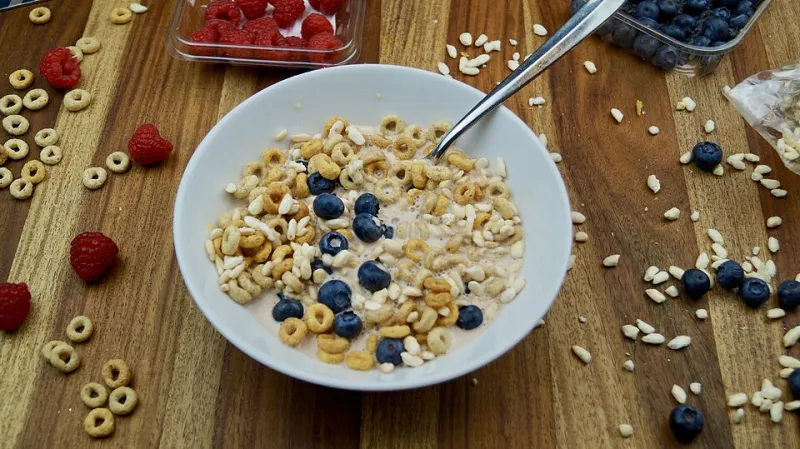
Photo: FitTasteTic, CC BY-SA 2.0, via Wikimedia Commons
Ask most Americans what the number one rule of healthy eating is, and a reliable chunk of them will say some version of the same thing: never skip breakfast. It kickstarts your metabolism. It sets your energy for the day. Skipping it leads to overeating later, weight gain, brain fog, and a sluggish calorie-burning engine that drags for hours.
This advice has been repeated by school nurses, morning news segments, fitness coaches, and the back of cereal boxes for so long that it feels less like a nutritional tip and more like a biological law.
It isn't. And the more carefully researchers have looked at the evidence, the more complicated — and politically inconvenient — the picture has become.
The Claim, Unpacked
The specific version most people have heard goes something like this: eating breakfast "fires up" your metabolism after the overnight fast, and skipping it leaves your body in a conservation mode where it burns fewer calories throughout the day. The implied conclusion is that breakfast eaters are leaner, more energetic, and metabolically healthier than breakfast skippers.
There's a kernel of something real buried in there. After sleeping, your blood sugar is lower, and eating does trigger a thermic effect — your body burns some calories just processing food. But "some calories burned during digestion" is a long way from "breakfast is metabolically essential," and that gap is where a lot of the myth lives.
Your resting metabolic rate — the number of calories your body burns just keeping you alive — doesn't meaningfully change based on whether you eat at 7 a.m. or noon. Metabolism isn't a fire that needs to be lit each morning. It's a continuous process that responds to your total energy intake over time, not the timing of your first meal.
The Correlation Problem
Here's where the story gets interesting. The original research connecting breakfast to better health outcomes wasn't wrong, exactly. Studies did find that people who regularly ate breakfast tended to have lower body weights, better concentration, and healthier overall diets than people who skipped it.
The problem is what researchers — and especially marketers — did with that finding.
Correlation is not causation. People who eat breakfast also tend to have more regular sleep schedules, more stable daily routines, higher household incomes, and more consistent access to nutritious food. They're more likely to exercise. They're less likely to be working multiple jobs or dealing with food insecurity. All of those factors influence weight and health independently.
In other words, breakfast might be a marker of a healthy lifestyle — not the cause of one. Eating a bowl of oatmeal at 7 a.m. doesn't automatically make you healthier. But people with the time, resources, and routine structure to eat a nutritious breakfast tend to have better health outcomes for a whole cluster of reasons that have nothing to do with meal timing.
When researchers designed randomized controlled trials — the kind where you actually assign people to eat or skip breakfast and control for everything else — the metabolic advantage of breakfast largely disappeared.
How the Cereal Industry Got Involved
This is where the story takes a turn that should surprise no one who's followed how nutrition advice gets made in America.
Breakfast cereal manufacturers have been funding nutrition research for decades. Kellogg's, General Mills, and their trade associations have sponsored studies, funded academic departments, and employed researchers whose work consistently found benefits to eating breakfast — specifically, the kind of convenient, grain-based, ready-to-eat breakfast their products provided.
A landmark 2020 analysis published in BMJ examined industry-funded breakfast research and found a striking pattern: studies with food industry backing were significantly more likely to report favorable outcomes for breakfast consumption than independently funded studies. This isn't necessarily fraud — it's a subtler problem involving study design, what questions get asked, and what results get published versus quietly shelved.
The "breakfast is the most important meal of the day" line, which you can find in American advertising going back to the early 20th century, has always had more commercial DNA than scientific DNA. It was good for selling cereal. It became good for selling breakfast bars, yogurt, smoothie mixes, and eventually entire meal-prep subscription boxes.
What the Research Actually Shows
Recent, well-controlled studies have produced a more nuanced picture. A widely cited 2019 trial published in BMJ found that people assigned to eat breakfast actually consumed more total daily calories than those who skipped it, and lost slightly less weight over the study period. The breakfast group didn't show metabolic advantages that offset the additional calorie intake.
Intermittent fasting research — which often involves skipping breakfast as part of a compressed eating window — has found that meal timing matters far less for most people than total caloric intake and food quality. Some people thrive eating three meals a day. Others feel better eating two. Individual variation is real, and rigid prescriptions about when to eat tend to ignore it.
The honest summary of what science currently knows is roughly this: if you're hungry in the morning, eating a nutritious breakfast is a good idea. If you're not hungry, skipping it probably won't hurt you. What matters is what you eat across the entire day, not whether you check the breakfast box before 9 a.m.
Why the Myth Persists
Partly, it persists because it contains a grain of truth — breakfast can be beneficial, especially for children, people with certain medical conditions, and those who find that skipping it leads to poor food choices later. Partly, it persists because it's been repeated so many times by so many trusted sources that it feels self-evidently true.
And partly, it persists because there's an enormous industry with a financial interest in keeping it alive.
The Real Story
Breakfast isn't magic. It isn't metabolically essential for most adults. The research suggesting otherwise was often shaped by the people who had the most to gain from that conclusion. What actually drives healthy weight and energy levels is the full picture of what and how much you eat — not whether you're at the table before the morning news ends.
If you love breakfast, eat it. If you've never been a morning eater, you can stop feeling like you're breaking a rule.