The Childhood Warning That Shaped a Generation
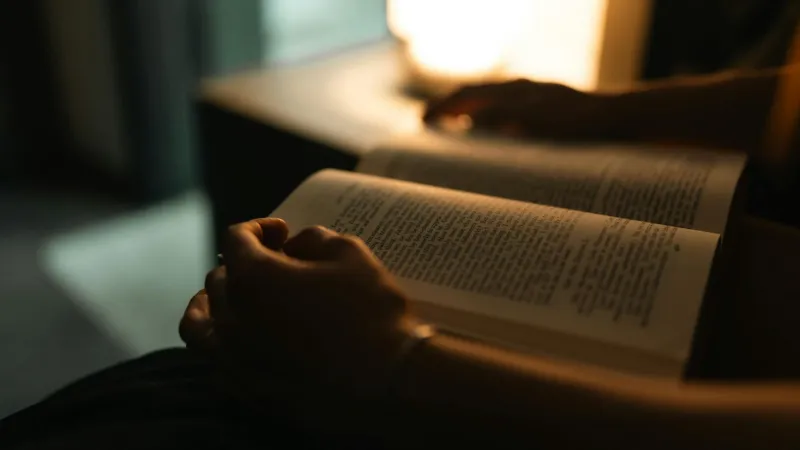
"Turn on a light — you'll ruin your eyes!" If you grew up in America anytime in the last century, you've heard this warning. Parents have been pulling books away from children reading under blankets with flashlights, insisting that proper lighting is essential to prevent permanent eye damage. The concern seems so reasonable that questioning it feels almost reckless.
But ophthalmologists have a different perspective: reading in dim light won't harm your vision any more than taking a photograph in low light will break your camera. The warning that shaped childhood reading habits for generations is based on a fundamental misunderstanding of how eyes actually work.
What Really Happens When You Read in Poor Light
When you strain to read in insufficient lighting, your eyes work harder to focus and process visual information. This extra effort can cause temporary discomfort — headaches, eye fatigue, dry eyes, and general tiredness. These symptoms are real and unpleasant, which is why the damage theory seemed plausible.
However, this temporary strain doesn't cause lasting harm to your vision. Your eyes are remarkably resilient organs that can handle significant variations in lighting conditions without sustaining permanent damage. The discomfort you feel is your eyes' way of telling you they're working harder than usual, not a sign of impending vision loss.
Think of it like exercising: your muscles might feel tired and sore after a challenging workout, but that temporary discomfort doesn't indicate permanent damage. In fact, the strain might even provide a mild workout for the muscles that control your eye's focusing mechanism.
The Origins of the Eye Damage Myth
The fear of dim light damaging vision emerged during the early 20th century, when electric lighting was becoming common in American homes. Parents who had grown up reading by candlelight or gas lamps suddenly had access to bright, consistent illumination. The new technology made reading more comfortable, and the contrast probably made dim light reading feel more problematic by comparison.
The myth gained scientific credibility when early vision researchers began studying eye strain and workplace lighting. Some preliminary studies suggested connections between poor lighting and vision problems, but these studies often confused correlation with causation. Workers in poorly lit environments might have had more eye problems, but factors like age, genetics, and overall health were rarely controlled for.
Medical professionals of the era, lacking today's sophisticated understanding of eye physiology, often erred on the side of caution. If dim light reading caused discomfort, and comfort was associated with health, then avoiding discomfort seemed like sound medical advice.
Why Parents Embraced the Warning
The dim light warning served multiple purposes beyond eye health. It gave parents a medical justification for enforcing bedtime rules — "You can't read under the covers because it will damage your eyes" was more compelling than "Because I said so."
The warning also aligned with broader cultural values about proper behavior and taking care of one's health. Good lighting was associated with prosperity and modern living, while reading in dim conditions seemed careless or primitive.
Additionally, the advice was easy to follow and didn't require any medical expertise to implement. Unlike complex health recommendations, "make sure you have good light when reading" was something every parent could understand and enforce.
The Medical Evidence Against the Myth
By the 1960s, ophthalmologists had enough understanding of eye physiology to definitively debunk the permanent damage theory. Studies of people who regularly read in poor lighting conditions — including those in professions requiring detailed work in low light — showed no increased rates of vision problems.
Research also demonstrated that the eye's focusing mechanism, while it can become fatigued, doesn't sustain damage from overuse. The muscles and structures involved in vision are designed to handle varying demands without permanent consequences.
Modern eye doctors are clear on this point: while good lighting makes reading more comfortable and reduces eye strain, poor lighting doesn't cause nearsightedness, farsightedness, or any other vision problems. The temporary discomfort from reading in dim light resolves completely with rest.
Why the Myth Persists Despite the Science
Even though the medical establishment has debunked the eye damage theory, many parents continue passing along the warning. Several factors contribute to this persistence:
First, the temporary discomfort from reading in poor light is real and immediate, making the damage theory seem credible. When something causes noticeable symptoms, it's natural to assume it might cause lasting harm.
Second, vision problems are genuinely common, especially nearsightedness among children and teens. When kids who read frequently (often in whatever lighting is available) develop vision problems, it's easy to blame their reading habits rather than genetics or other factors.
Third, the advice isn't harmful — good lighting does make reading more comfortable — so there's little incentive to question it. Parents figure it's better to be safe than sorry, even if the danger isn't real.
What Actually Affects Vision Health
While lighting conditions don't permanently damage eyes, other factors do influence vision health. Genetics play the largest role in determining who develops nearsightedness, farsightedness, and other common vision problems.
Increasing time spent on close-up activities like reading and screen use may contribute to nearsightedness, but it's the sustained focus on near objects rather than the lighting conditions that matters. Some research suggests that spending more time outdoors might help prevent nearsightedness in children, possibly due to exposure to natural light and distant visual targets.
Regular eye exams, protecting eyes from UV radiation, and maintaining overall health through good nutrition and exercise are far more important for long-term vision than ensuring perfect lighting for reading.
The Takeaway
Reading in dim light won't ruin your eyes, despite what generations of parents have believed. The warning emerged from reasonable but misguided concerns about eye health and became entrenched through repetition rather than scientific evidence.
While good lighting certainly makes reading more pleasant and reduces eye strain, you don't need to worry about permanent damage from occasionally reading in less-than-ideal conditions. Your eyes are more resilient than the century-old warning suggests, and the real factors that influence vision health are quite different from what most people have been taught to fear.