The Handshake Is Older Than Civilization — But Its Meaning Has Been Reinvented at Least Four Times
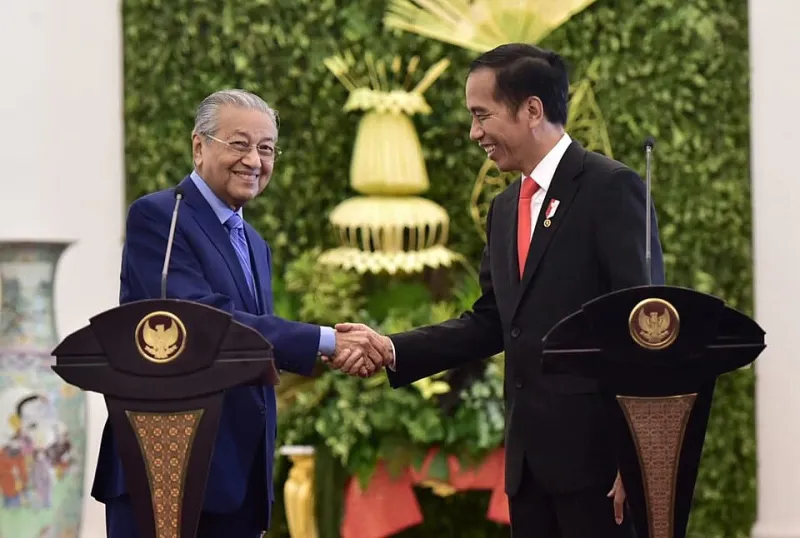
Photo: Indonesian Embassy Kuala Lumpur, Public domain, via Wikimedia Commons
The Story You've Already Heard
Ask anyone why people shake hands, and you'll likely get some version of the same answer: it's an ancient gesture of peace. You extend your right hand — historically your weapon hand — to show that it's empty. No sword, no dagger, no threat. The handshake as a visible declaration of non-violence.
It's a great explanation. It's intuitive, it has a certain elegant logic, and it gets repeated constantly — in etiquette guides, history classrooms, and the opening paragraphs of countless business articles about the importance of a firm grip. There's even some archaeological evidence to support the general idea. Ancient Greek art depicts handshake-like gestures between figures, often in contexts suggesting agreement or alliance.
But here's the problem historians run into: a gesture that appears in ancient Greece, disappears for centuries, reemerges in medieval Europe in a completely different context, gets adopted by a religious minority in 17th-century England for entirely different reasons, and then gets transformed again by 20th-century political consultants isn't really one story. It's four or five stories that happen to involve the same physical motion.
The Medieval Version Had Nothing to Do With Peace
In medieval Europe, the handshake — or something close to it — showed up primarily in the context of feudal pledges and formal agreements. Knights swearing loyalty to a lord would clasp hands as part of the ceremony. The gesture here wasn't about showing an empty hand. It was about physical contact as a binding act. The grip itself was the commitment.
This version of the handshake was less about peace and more about obligation. It formalized a relationship. You weren't saying I mean you no harm so much as I am now bound to you. The clasped hands in medieval manuscript illustrations typically appear in scenes of oaths and contracts, not greetings between strangers.
Some historians also point out that the up-and-down pumping motion associated with modern handshakes may have originated as a way to dislodge a hidden blade — the idea being that shaking the arm would cause a knife concealed in the sleeve to fall out. This is plausible but not definitively documented, and it's often cited with more confidence than the evidence actually supports.
The Quakers Changed Everything
The handshake's journey into everyday social life in the English-speaking world owes a surprising debt to the Religious Society of Friends — better known as the Quakers.
In 17th-century England, greetings between social classes involved elaborate rituals of bowing, hat-doffing, and curtseying. The deeper your bow, the higher the status of the person you were acknowledging. For Quakers, who held a foundational belief in the equality of all people before God, these hierarchical gestures were a problem. Bowing lower to a lord than to a laborer was, in their view, a form of false worship — placing social rank above spiritual equality.
So Quakers adopted the handshake as a deliberate alternative. It was egalitarian by design. The same gesture for everyone, regardless of rank. No one got a deeper bow. By choosing a greeting that didn't encode social hierarchy, Quakers were making a theological statement every time they met someone.
This is a significantly different origin story than 'showing an empty hand.' The Quaker handshake wasn't about weapons or warfare. It was about refusing to participate in a system that treated people differently based on their station in life.
Because Quakers were prominent in early American commerce — particularly in Philadelphia, which was a major commercial hub in the colonial period — their greeting practices spread into business culture. The handshake became associated with honest dealing and mutual respect in trade, which is part of why it took root so firmly in American professional life.
Victorian Business Culture Standardized It
By the 19th century, the handshake had migrated from religious practice into mainstream American and British social norms, but it still wasn't fully standardized. Etiquette manuals of the Victorian era spent considerable ink debating the correct form — who should initiate, how firm the grip should be, whether women should extend their hand first, what the handshake communicated about your character and breeding.
The Victorian business handshake carried moral weight. A limp grip was considered a sign of weak character. A crushing grip suggested aggression or poor breeding. The ideal handshake — firm, brief, direct — became a kind of shorthand for trustworthiness. This is the era when the handshake stopped being just a greeting and started being a performance of personal integrity.
Etiquette literature from this period reads almost like modern corporate training manuals. The handshake wasn't just what you did when you met someone. It was a first impression, a signal about who you were, a tool of social navigation.
The 20th Century Made It Political
The final major reinvention came in the 20th century, when the handshake became a deliberately managed political symbol.
Presidential campaigns and diplomatic encounters began treating the handshake as a visual statement. The way a leader shook hands — or refused to — carried meaning that cameras could capture and audiences could interpret. Richard Nixon famously worked on his handshake technique. Ronald Reagan's advisors reportedly coached him on grip and eye contact. The photograph of two world leaders clasping hands became one of the most recognizable images in political communication.
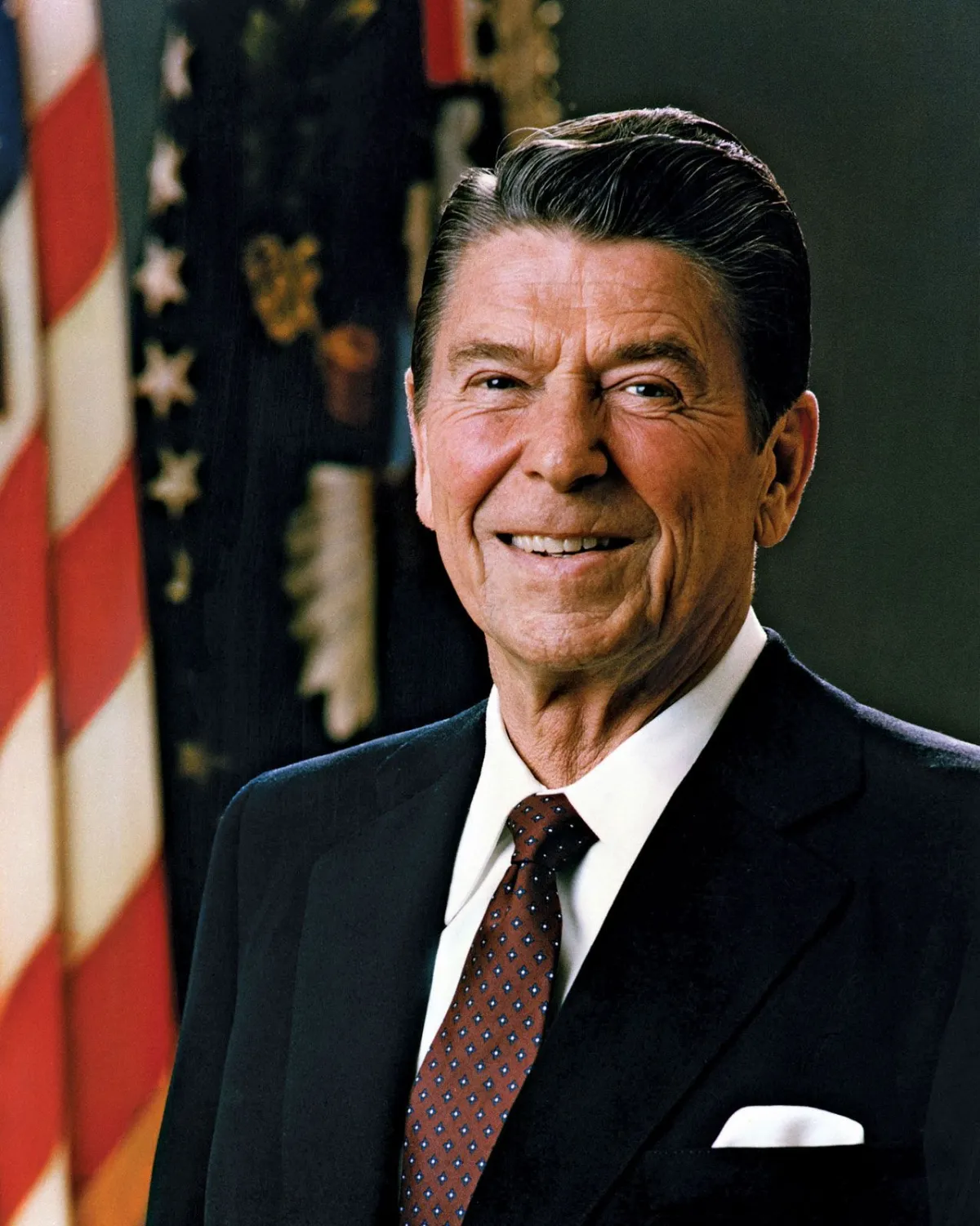 Photo: Ronald Reagan, via cdn.britannica.com
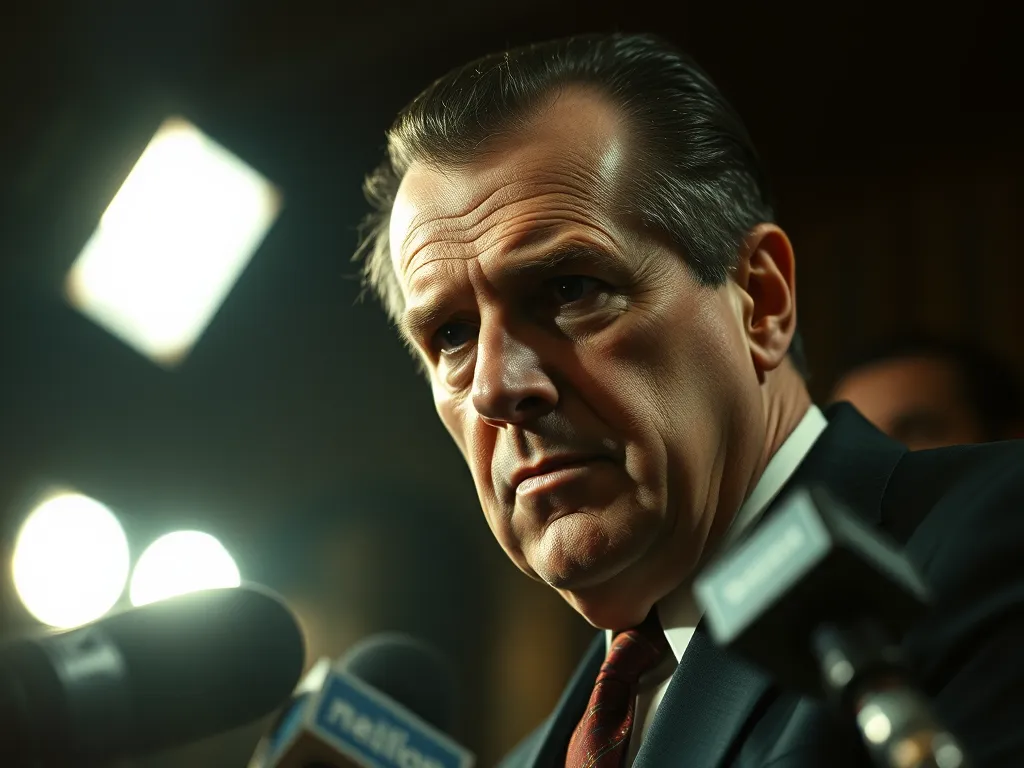 Photo: Richard Nixon, via apolloscholars.co.uk
By the late 20th century, image consultants were writing entire guides on handshake strategy for politicians and executives. The gesture that had started as a peace signal, been repurposed as a feudal oath, redeployed as a Quaker egalitarian statement, and standardized as a Victorian character test had now become a piece of choreographed theater.
The Takeaway
The handshake you perform dozens of times a week carries more history than almost anyone performing it realizes. The 'empty hand, no weapon' explanation isn't wrong exactly — it captures something real about the gesture's ancient roots. But it misses the Quaker rejection of social hierarchy, the Victorian obsession with what a grip reveals about your soul, and the 20th-century political machine that turned a greeting into a photo opportunity. The handshake didn't have one origin. It had several — and each generation found a new reason to keep doing it.