Your Hair Doesn't Actually Grow Back Thicker After Shaving — Here's Why Nearly Everyone Believes It Does
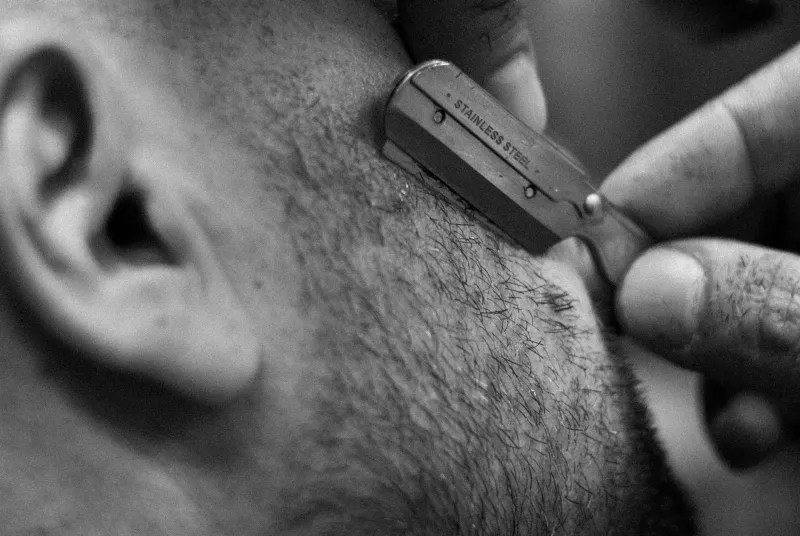
If you've ever picked up a razor, chances are someone warned you that shaving would make your hair grow back thicker, darker, or faster. It's one of those pieces of "wisdom" that gets passed down so consistently that questioning it feels almost rebellious. The problem? It's been scientifically tested for nearly a century, and it's never been true.
The Science Has Been Clear Since the 1920s
The first formal study debunking the shaving myth appeared in 1928, when researchers at the University of Rochester decided to put the widespread belief to the test. They had volunteers shave patches of their arms and legs, then measured hair growth over several months using precise instruments.
The results were unambiguous: shaved hair didn't grow back any thicker, darker, or faster than unshaved hair. In fact, the measurements showed no meaningful difference at all. Since then, dozens of studies have repeated these findings using increasingly sophisticated methods, from microscopic analysis to computerized measurement tools.
Yet here we are, nearly a century later, and the myth persists with remarkable tenacity.
Why Your Eyes Trick You Into Believing the Myth
The reason this misconception feels so convincing comes down to a simple optical illusion combined with how hair actually grows. When you shave, you're cutting the hair at its thickest point — right at the skin's surface. The tip of uncut hair naturally tapers to a fine point after months of exposure to the elements, but a freshly shaved hair has a blunt, square edge.
This blunt edge catches light differently and feels coarser to the touch, creating the impression that the hair itself has changed. It's the same reason a pencil looks thicker when you see it from the eraser end versus the sharpened point.
There's also a timing element that reinforces the illusion. Hair grows in cycles, and shaving often coincides with periods when hair growth naturally accelerates — particularly during adolescence when many people start shaving regularly. The correlation between starting to shave and noticing thicker hair growth creates a false sense of cause and effect.
The Real Story Behind Hair Growth
Hair thickness, color, and growth rate are determined by factors completely unrelated to what happens at the surface. Your genetics set the basic parameters, while hormones — particularly during puberty — can dramatically change hair characteristics. Age, nutrition, medications, and health conditions all play roles too.
The hair follicle, buried deep in your skin, produces each strand according to this genetic and hormonal programming. A razor blade scraping across the surface has no more influence on the follicle than trimming your fingernails affects how fast they grow.
Interestingly, the structure of hair itself explains why the myth seems so plausible. Each strand is thickest at the base and gradually tapers as it grows longer and gets weathered by sun, wind, and daily wear. When you shave and reset this process, you're essentially revealing the hair's natural thickness without the worn-down tip.
How a Medical Myth Became Family Wisdom
The persistence of this belief reveals something fascinating about how misinformation spreads. Unlike many modern myths that can be traced to specific sources or viral moments, the shaving myth appears to have emerged organically from the combination of visual evidence and timing.
Parents noticed their teenagers developing coarser facial hair around the same time they started shaving, and the connection seemed obvious. The myth gained credibility through repetition and the authority of older generations passing down "experience" to younger ones.
By the time scientific studies began debunking the claim in the early 20th century, it had already become embedded in popular culture. The myth was further reinforced by marketing from razor companies, who had no incentive to correct a misconception that might discourage people from shaving regularly.
Why Smart People Keep Believing It
Even today, when scientific information is more accessible than ever, the shaving myth persists among educated people who know better. Part of this comes from the compelling nature of the visual "evidence" — seeing really is believing, even when what you're seeing isn't what you think.
There's also a psychological component. Once you believe something based on your own observation, contradicting scientific evidence can feel abstract or irrelevant. The immediate, tangible experience of feeling stubble seems more real than laboratory measurements you'll never see.
Social reinforcement plays a role too. When everyone around you believes the same thing, questioning it requires not just intellectual courage but social risk. It's easier to go along with conventional wisdom than to be the person insisting that everyone else is wrong about something they've "experienced" themselves.
The Real Takeaway
The shaving myth offers a perfect example of how our brains can trick us into believing something that isn't true, even when we have direct sensory evidence that seems to support our belief. It's a reminder that personal experience, while valuable, isn't always a reliable guide to understanding how the world actually works.
The next time someone warns you about shaving making hair grow back thicker, you can confidently ignore the advice. Your hair will grow exactly as your genetics and hormones dictate, regardless of what you do with a razor. The only thing shaving changes is the temporary appearance of the hair tip — and now you know why.