The Diamond Ring Tradition Is Younger Than Your Grandparents — And Completely Manufactured
Ask any American about engagement ring traditions, and they'll likely mention diamonds as an essential element of the proposal. The sparkle, the romance, the symbol of eternal love — it all feels as natural and timeless as marriage itself. But here's a fact that might make you reconsider that jewelry store visit: the diamond engagement ring tradition is younger than many people's grandparents.
Before 1938, most American engagement rings featured sapphires, rubies, or pearls. Diamond engagement rings were rare, expensive curiosities for the ultra-wealthy. Then a single advertising campaign changed everything, creating what may be the most successful piece of corporate mythology in American history.
When Diamonds Were Just Pretty Rocks
For most of human history, diamonds weren't particularly special. They were beautiful but had no practical uses, unlike gold or silver. Ancient cultures occasionally used them in jewelry, but they weren't associated with romance, marriage, or eternal commitment.
Even in early 20th-century America, diamonds played a minor role in engagement traditions. A 1930s survey found that only 10% of engagement rings featured diamonds. Most couples chose colored gemstones or simple gold bands, often family heirlooms passed down through generations.
This presented a serious problem for the De Beers company, which had been quietly monopolizing diamond mines across Africa since the 1880s. They controlled the world's diamond supply but couldn't create demand. Americans simply didn't want diamonds.
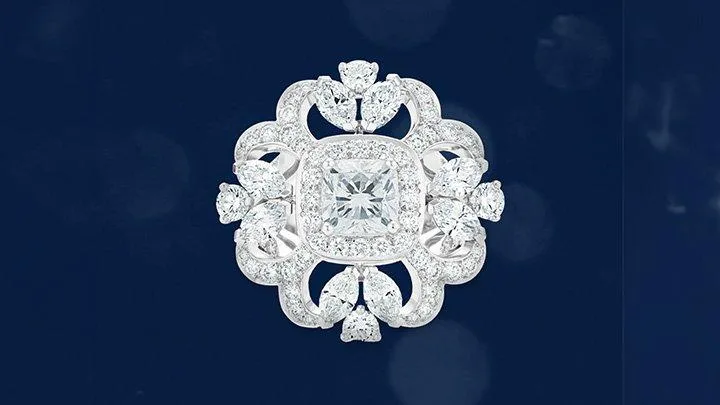 Photo: De Beers, via media.debeers.com
The Campaign That Rewrote Romance
In 1938, De Beers hired the N.W. Ayer advertising agency to solve their American problem. The campaign they developed was breathtakingly ambitious: they wouldn't just sell diamonds, they would manufacture an entire cultural tradition around them.
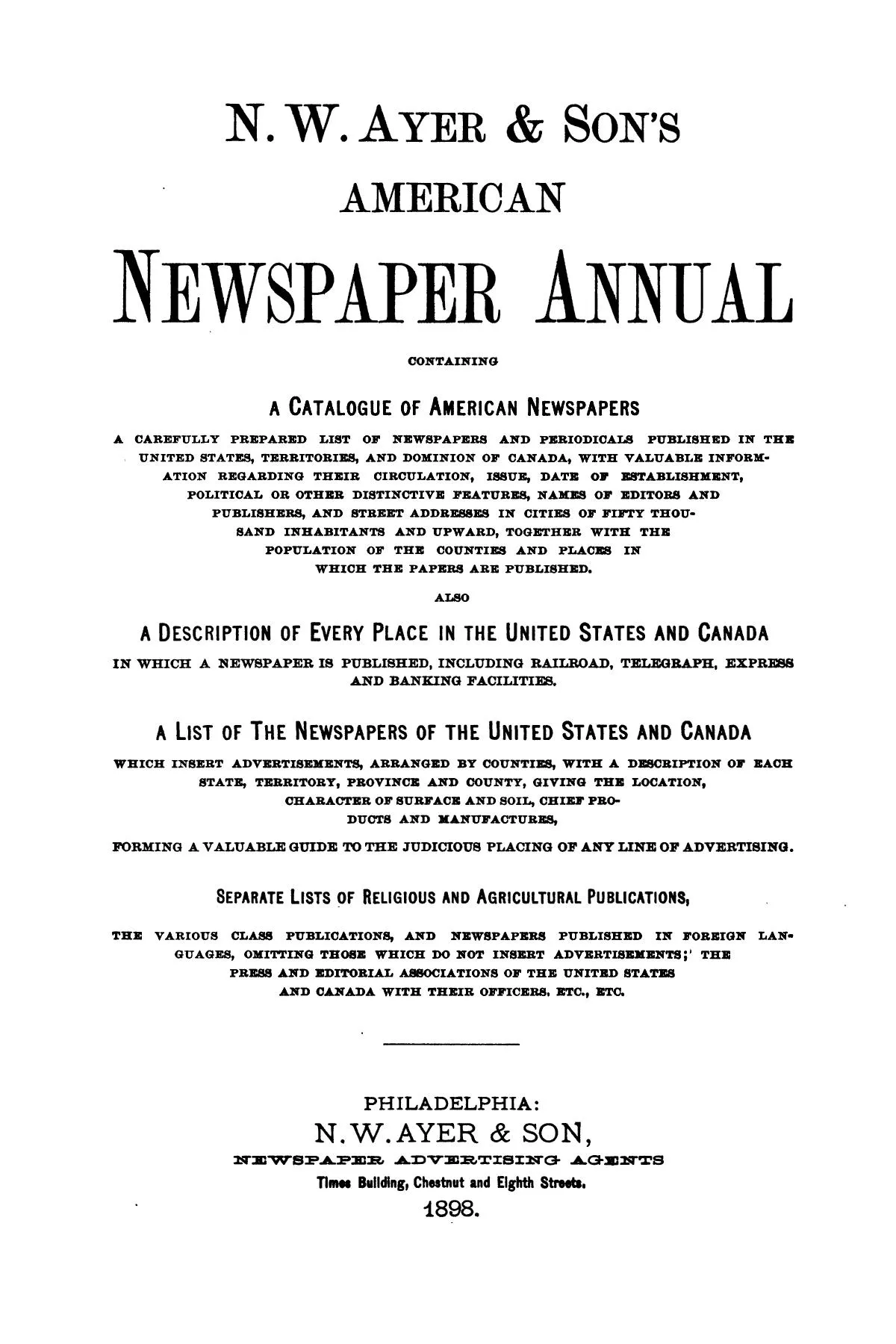 Photo: N.W. Ayer, via digital.library.unt.edu
The strategy had three components. First, they needed to make diamonds seem rare and valuable, despite controlling enormous stockpiles. Second, they had to connect diamonds specifically to romantic love and marriage. Third, they needed to establish the idea that bigger diamonds meant deeper love.
The agency began placing stories in magazines and newspapers about celebrities receiving diamond engagement rings. They sent diamonds to movie stars and photographed them wearing the jewelry at premieres and social events. They worked with fashion magazines to feature diamond engagement rings in romantic photo spreads.
Most importantly, they created the slogan that would define American romance for generations: "A Diamond is Forever."
Manufacturing Scarcity and Tradition
The "forever" message was marketing genius. By suggesting that diamonds were permanent and unbreakable, De Beers made them symbols of eternal love. But the slogan also served a crucial business function: it discouraged people from ever reselling their diamonds, which would flood the market and reveal how artificially inflated diamond prices really were.
De Beers simultaneously worked to control diamond supply, stockpiling stones in London warehouses to maintain artificially high prices. They convinced the world that diamonds were rare and precious while sitting on enormous quantities of them.
The campaign also established specific spending guidelines that persist today. The "two months' salary" rule for engagement ring spending? That came directly from De Beers advertising in the 1980s, not from any romantic tradition or financial wisdom.
How Americans Learned to Love Diamonds
The transformation was remarkably swift. By 1941, just three years after the campaign launched, diamond engagement ring sales in America had increased by 55%. By the 1950s, 80% of American brides received diamond engagement rings.
The campaign succeeded because it tapped into post-Depression anxieties about economic security and social status. During uncertain times, the promise of something "forever" was emotionally powerful. Diamonds became symbols not just of love, but of stability and prosperity.
De Beers also carefully targeted different demographics with tailored messages. They emphasized diamonds' investment value to budget-conscious couples while promoting larger stones to wealthy buyers as symbols of success and devotion.
The Global Export of American Romance
Once De Beers conquered the American market, they exported the diamond engagement ring tradition worldwide. They ran similar campaigns in Japan, Europe, and other markets, adapting the messaging to local cultural values while maintaining the core association between diamonds and romantic commitment.
The success was staggering. Countries with no historical connection to diamonds suddenly embraced them as essential elements of marriage proposals. Japan, which had no tradition of engagement rings at all, became one of the world's largest diamond markets within two decades.
The Real Cost of Manufactured Tradition
The diamond engagement ring tradition carries costs that extend far beyond the jewelry store price tag. The demand created by De Beers' marketing has fueled decades of conflict in diamond-producing regions, where control of mines has funded wars and human rights abuses.
De Beers' monopolistic practices also inflated prices artificially, forcing couples to spend thousands of dollars on stones that have minimal resale value. The "investment" that diamond marketers promoted was largely fictional — most diamonds lose 50% of their value the moment you walk out of the jewelry store.
Perhaps most significantly, the campaign created social pressure around engagement traditions that many couples can't afford. The expectation that love should be measured in carats has added financial stress to what should be joyful life transitions.
Alternatives to Manufactured Romance
Understanding the artificial origins of diamond engagement ring traditions can be liberating for modern couples. Some choose vintage rings, family heirlooms, or alternative gemstones. Others skip traditional rings entirely, investing instead in experiences or practical purchases for their future together.
The key insight is that romantic traditions don't have to be expensive or conform to marketing-driven expectations. The most meaningful symbols of commitment are often the most personal ones, created by couples themselves rather than prescribed by corporate campaigns.
The Marketing Lesson That Changed Everything
The De Beers diamond campaign remains one of the most successful examples of manufactured consumer demand in business history. It demonstrated how advertising could create not just product desire, but entire cultural traditions and social expectations.
This success inspired countless other companies to attempt similar transformations of consumer behavior. From breakfast cereal to luxury cars, marketers have studied the De Beers playbook for decades.
The next time you see a glittering diamond engagement ring, remember that you're looking at one of the 20th century's greatest marketing achievements. The tradition that feels ancient and natural is actually younger than television, created by advertisers who understood that the most powerful products aren't just things we want — they're things we believe we need.