The Image That Defined American Innovation
Every American schoolchild knows the story: Benjamin Franklin, curious about electricity, flies a kite during a thunderstorm and discovers that lightning is electrical in nature. It's a perfect tale of American ingenuity — a practical inventor risking his life for scientific knowledge. The image appears in textbooks, museums, and countless retellings of Franklin's life.
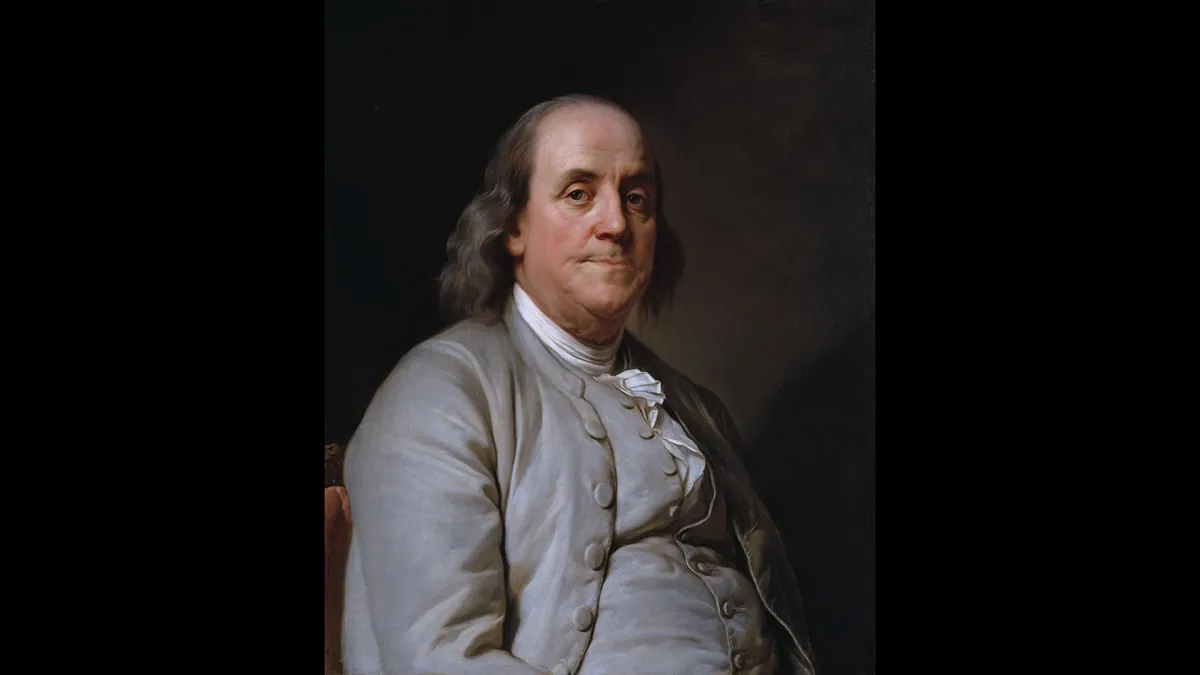 Photo: Benjamin Franklin, via cdn.britannica.com
There's just one problem: Franklin probably never flew a kite in a thunderstorm, and he certainly never claimed to have done so. The dramatic story that made him an icon of American science was assembled and embellished over decades by people who weren't there.
What Franklin Actually Did
Benjamin Franklin was genuinely interested in electricity and conducted real experiments throughout the 1740s and 1750s. He proposed that lightning was electrical in nature — a theory that was controversial at the time. To test this hypothesis, he suggested an experiment involving a metal rod placed on a tall building during a thunderstorm.
Franklin described this proposed experiment in letters to colleagues in England, where it was published in 1751. French scientists actually performed Franklin's suggested experiment successfully in 1752, using a metal rod to draw electrical charge from storm clouds.
But Franklin himself never claimed to have conducted the dangerous kite experiment that bears his name.
How the Legend Was Born
The kite story first appeared in print 15 years after Franklin's supposed experiment, written by Joseph Priestley, a British scientist who wasn't present for any of Franklin's electrical work. Priestley presented the tale as fact, but he was essentially creating historical fiction based on secondhand accounts and his own assumptions about what might have happened.
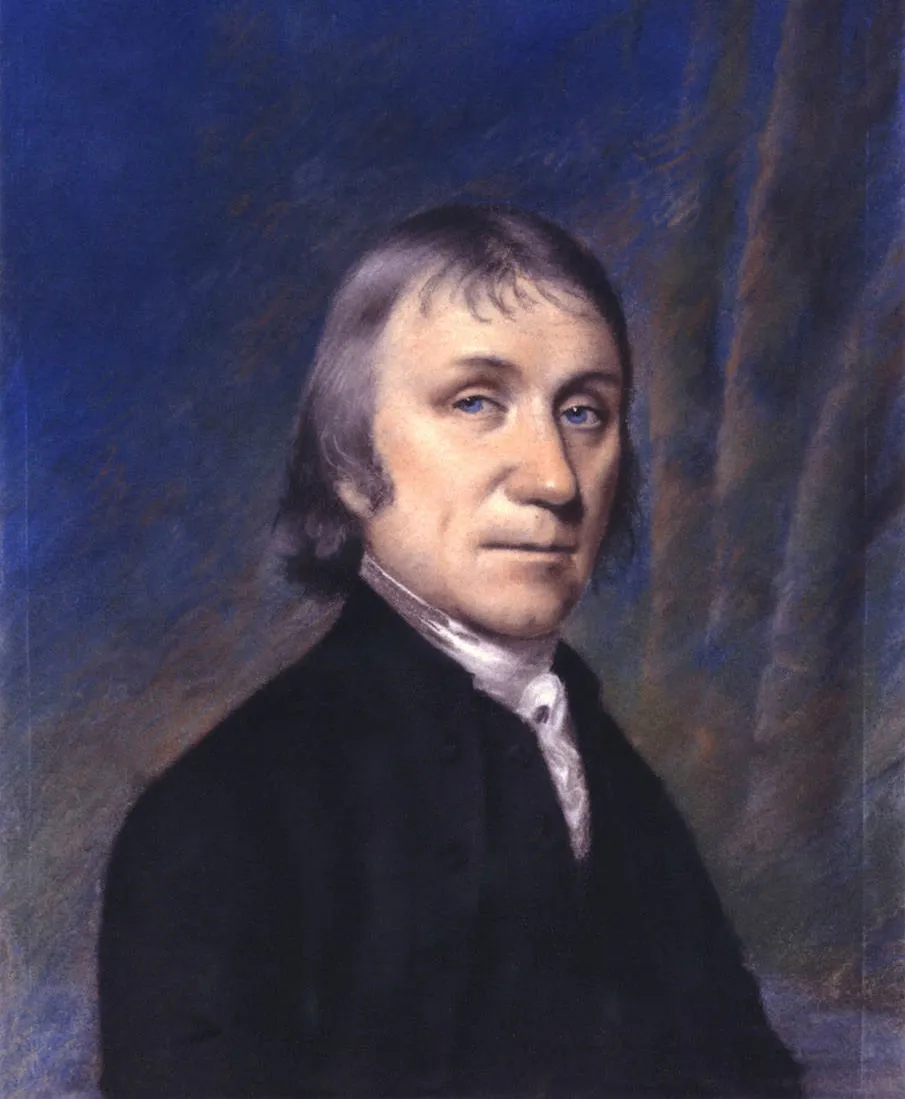 Photo: Joseph Priestley, via upload.wikimedia.org
The story gained momentum because it was more dramatic and accessible than Franklin's actual scientific work. A man flying a kite in a storm was easier to visualize and remember than the technical details of electrical theory and controlled experimentation.
Why the Myth Became History
By the time historians began seriously examining Franklin's life, the kite story had become so embedded in American culture that questioning it seemed almost unpatriotic. The tale perfectly captured the spirit of American innovation and Franklin's reputation as a practical genius.
The story also served educational purposes. It provided a simple, memorable way to teach children about scientific discovery and electricity. Teachers found it much easier to explain Franklin's contributions through the dramatic kite narrative than through his actual complex theories about electrical charge.
The Real Franklin Was Even More Impressive
Franklin's actual electrical research was far more sophisticated than the kite story suggests. He developed the first coherent theory of electrical charge, introducing concepts like positive and negative electricity that we still use today. He invented the lightning rod, which has saved countless buildings from fire. His electrical experiments were methodical, careful, and genuinely groundbreaking.
The kite story, ironically, diminishes Franklin's real achievements by suggesting his discoveries came from a single dramatic moment rather than years of careful scientific work.
Other Franklin Myths That Persist
The kite experiment isn't the only Franklin story that's more legend than history. The tale of young Ben buying bread with his last pennies and walking past his future wife's house has similar problems with documentation. Many of the witty sayings attributed to Franklin in "Poor Richard's Almanac" were actually borrowed from other sources.
Franklin himself contributed to his mythical status by writing his autobiography as an older man, presenting his life story in ways that emphasized certain themes while downplaying others. He was, in many ways, America's first master of personal branding.
Why Historical Accuracy Matters
Debunking the kite story doesn't diminish Franklin's legacy — it actually enhances it. The real Franklin was a systematic scientist, successful diplomat, and influential political thinker whose achievements were based on intelligence, persistence, and careful observation rather than lucky accidents.
Understanding how historical myths develop also helps us think more critically about other stories that seem too perfect to be true. The process that turned Franklin's electrical theories into the kite legend continues today, as complex events get simplified into memorable narratives that may not reflect reality.
The Takeaway
Benjamin Franklin's reputation as a scientist and inventor is well-deserved, but it's based on real achievements rather than the dramatic kite experiment that never happened. The story persists because it captures something true about Franklin's character — his curiosity and willingness to investigate natural phenomena — even if the specific details are fictional.
Next time you see that iconic image of Franklin with his kite and key, remember that the most interesting part isn't what supposedly happened in that storm, but how a story with no basis in Franklin's own accounts became one of America's most enduring historical "facts." Sometimes the myths we create about our heroes say more about us than about them.